
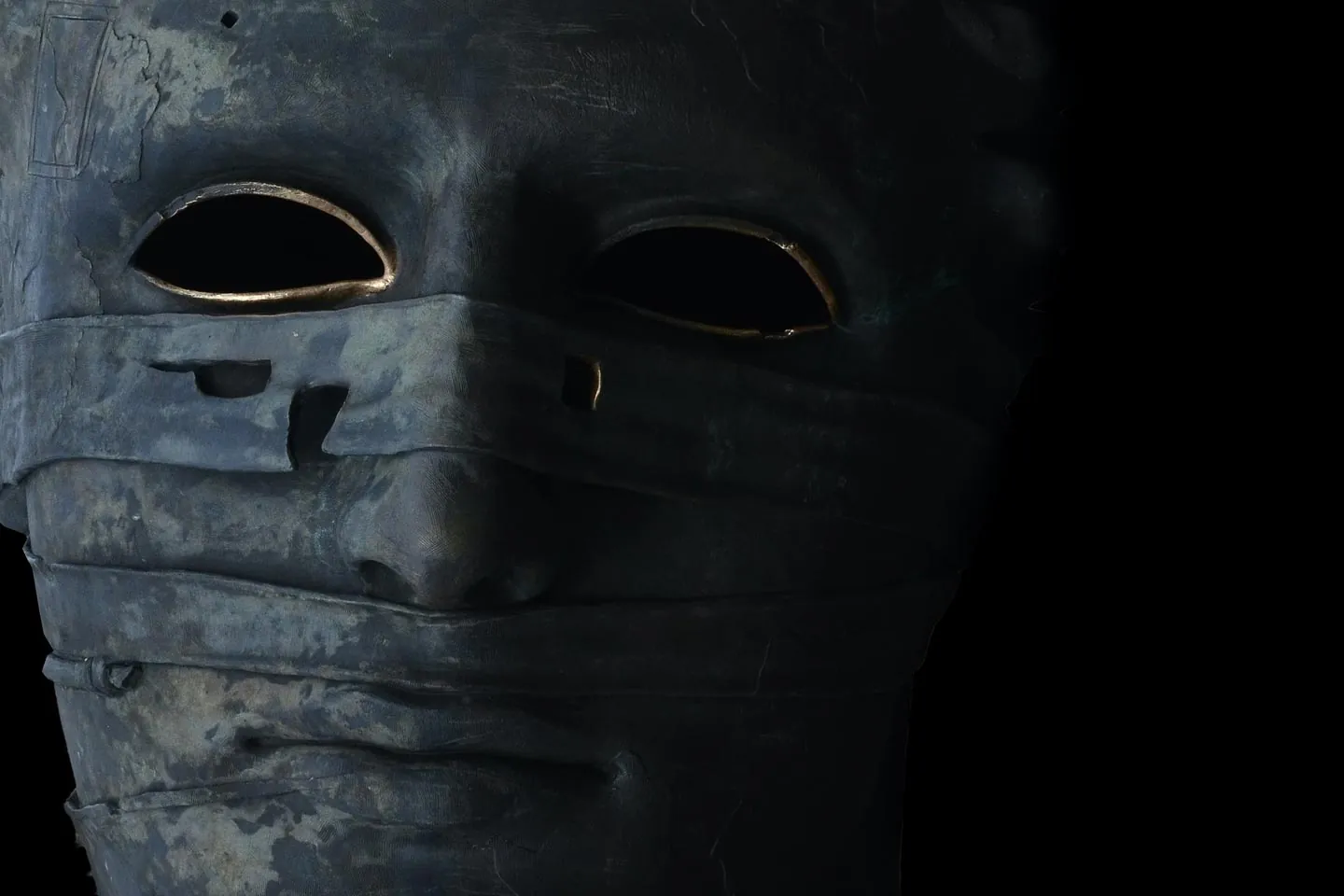
Few of Jung’s ideas have travelled as far as the shadow. The word now turns up in wellness apps, social media threads and self-help workbooks, often detached from anything Jung meant by it. That is a pity, because the original idea is both more precise and more useful than its popular version.
What the shadow is
In Jung’s Collected Works, the shadow is not a vague dark side or a metaphor for our flaws. It is a specific psychological structure: the sum of the qualities, impulses and capacities that the conscious ego has rejected, disowned or never developed, gathered together in the personal unconscious. It is everything that did not fit the picture we needed to present in order to be accepted by our family, our culture, our idea of ourselves.
Crucially, the shadow is not simply the bad in us. It contains rejected aggression and selfishness, yes, but also disowned strengths: the ambition a gentle person was taught to suppress, the tenderness a man learned to hide, the anger that was never allowed and so was never available even when it was needed. Jung’s point was that what we exile does not disappear. It goes underground, gathers energy, and continues to act on us from outside our awareness.
How the shadow works: projection
The shadow’s most reliable mechanism is projection. What we cannot see in ourselves, we see, vividly and with feeling, in other people. The colleague whose ambition irritates us out of all proportion, the acquaintance whose neediness we find unbearable, the stranger who provokes a contempt we cannot quite justify: these disproportionate reactions are often the shadow at work. The intensity is the clue. When our response to someone is far larger than the situation warrants, it is usually because they are carrying something of ours.
This is why shadow work is not navel-gazing but profoundly relational. Withdrawing a projection, recognising that the quality we despise out there also lives in here, changes how we treat people. It is, in a quiet way, one of the most ethical acts available to us.
Integration, not elimination
The popular framing often promises to defeat the shadow, to clear it, to be rid of it. Jung intended the opposite. The goal is not elimination but integration: bringing the disowned material into conscious relationship so that it can be acknowledged, understood and, where appropriate, lived. He believed this was essential to individuation, the lifelong process of becoming a whole and genuine person rather than a polished fragment.
Integration does not mean acting out every buried impulse. It means knowing what is in you, so that it acts with you rather than against you. A person who knows their own capacity for cruelty is far less likely to be unconsciously cruel than one who is certain they could never be. The aim is consciousness, not innocence.
Why it is hard to do alone
Meeting the shadow is difficult precisely because it is, by definition, what we cannot see. We are the last to know our own projections. This is where the relationship with an analyst earns its place. Another person, trained to notice and trusted enough to challenge, can reflect back what our own blind spots conceal, and can hold the discomfort that surfaces when we begin to recognise ourselves more fully.
Done with care, this work is not bleak. People often describe it as a relief, a homecoming, a sense of finally having room for the parts of themselves they had been managing for years.
Our pages on shadow work and on projection go further into these ideas, and you are welcome to contact us if you would like to explore this work in analysis.